Discover the health benefits of UVB light therapy
Sunlight is more than vitamin D
Vitamin D supplements cannot reproduce the full spectrum of benefits linked to natural UVB light exposure.
Vitamin D is one of the many, but not the only, benefits associated with the UVB action spectrum from sunshine, this explains why many studies have shown that oral supplementation is not as impactful as sun exposure. Your skin absorbs light and converts it into hormones and signals that improve communication between your body’s systems, influencing mood, focus, energy, immune function, and gut health from within. Research shows biological changes begin immediately and build with consistent exposure.
How UVB light works through your body
Neurotransmitters, nitric oxide & hormones are activated
What happens
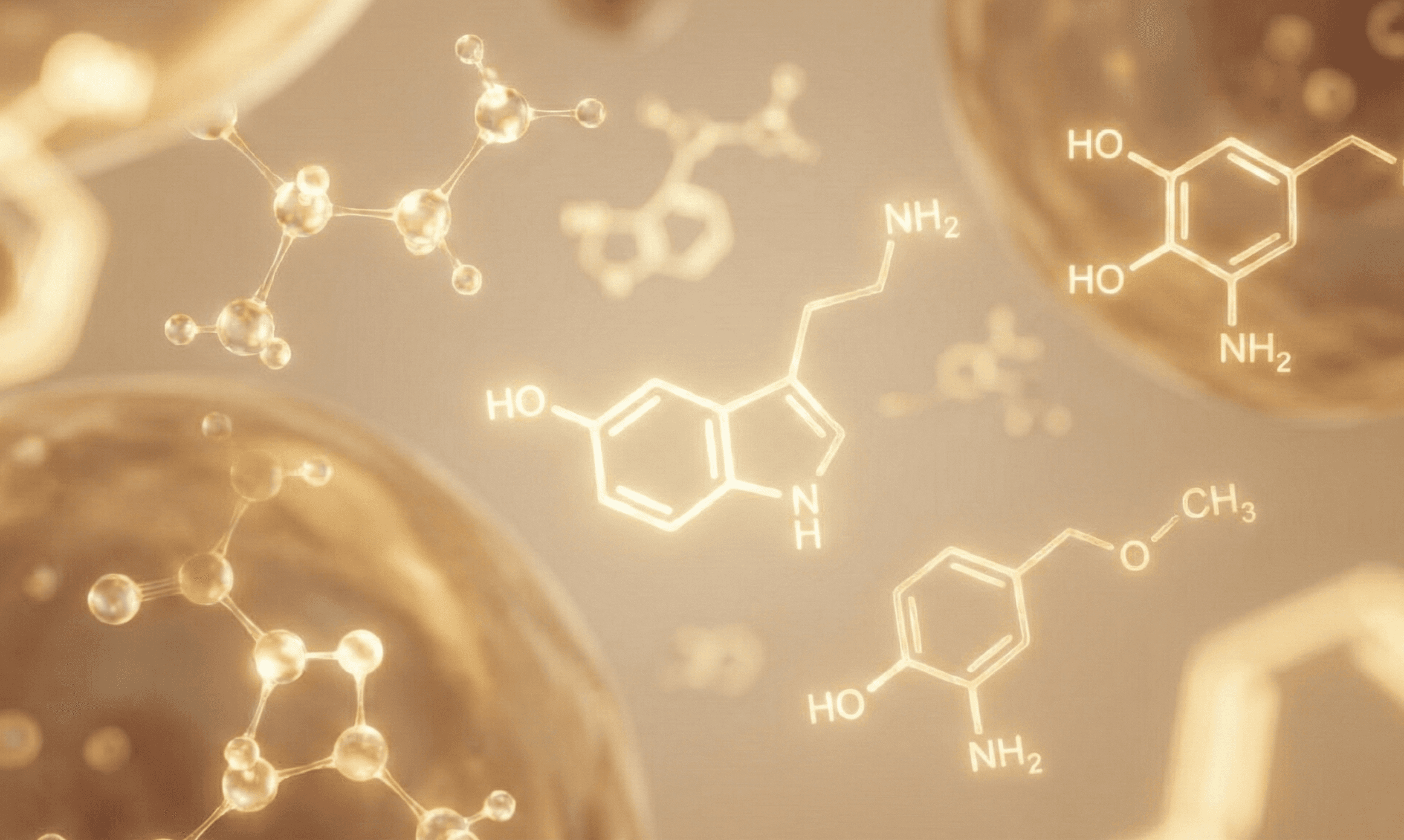
UVB light triggers the release of nitric oxide, beta-endorphins, serotonin precursors, dopamine-related peptides, and anti-inflammatory compounds like calcitriol and lumisterol.
Why it matters
These molecules improve mood, energy, stress balance, motor control and learning, and provide long-term neuroprotection against cognitive decline. Effects begin shortly after exposure and can last hours to days.

Vitamin D production begins, optimizing gene expression
What happens
Within seconds of UVB light exposure, your skin converts 7-dehydrocholesterol into previtamin D₃, which becomes active vitamin D₃ over the next 24-48 hours.
Why it matters
Vitamin D functions as a hormone that influences over 1,000 genes, supporting bone strength, immune resilience, and metabolic health.
Microbiome balance & gut integrity improves
What happens
UVB light strengthens both your skin and gut microbiomes. On the skin, natural antimicrobial peptides increase, helping beneficial bacteria thrive while reducing inflammation. Through the gut-skin axis, amino acids, and mucus production support nutrient absorption, gut barrier integrity, and microbial diversity.
Why it matters
A balanced microbiome improves skin health and appearance, reduces chronic inflammation and supports digestion, immunity, and mood regulation. Local skin improvements begin within days, and gut microbiome diversity increases progressively over 2-4 weeks.
The impact of sun avoidance
820,000
estimated annual deaths in U.S. and Europe may be linked to insufficient sun exposure
3.3 billion
healthy years lost annually worldwide from sunlight deficiency
5,000+ scientific studies
linking UVB light and vitamin D to a wide range of health conditions
Multiple sclerosis
Diabetes
Stroke
Breast cancer
Colon cancer
Obesity
Depression
Osteoporosis
Alzheimer’s
Autoimmune disorders
Migraines & vertigo
Irritable bowel diseases
Premature birth
Preeclampsia
Skin diseases
Infertility
Multiple sclerosis
Diabetes
Stroke
Breast cancer
Colon cancer
Obesity
Depression
Osteoporosis
Alzheimer’s
Autoimmune disorders
Migraines & vertigo
Irritable bowel diseases
Premature birth
Preeclampsia
Skin diseases
Infertility
"Avoidance of sun exposure is a risk factor for death of a similar magnitude as smoking"
Narrow spectrum, big benefits
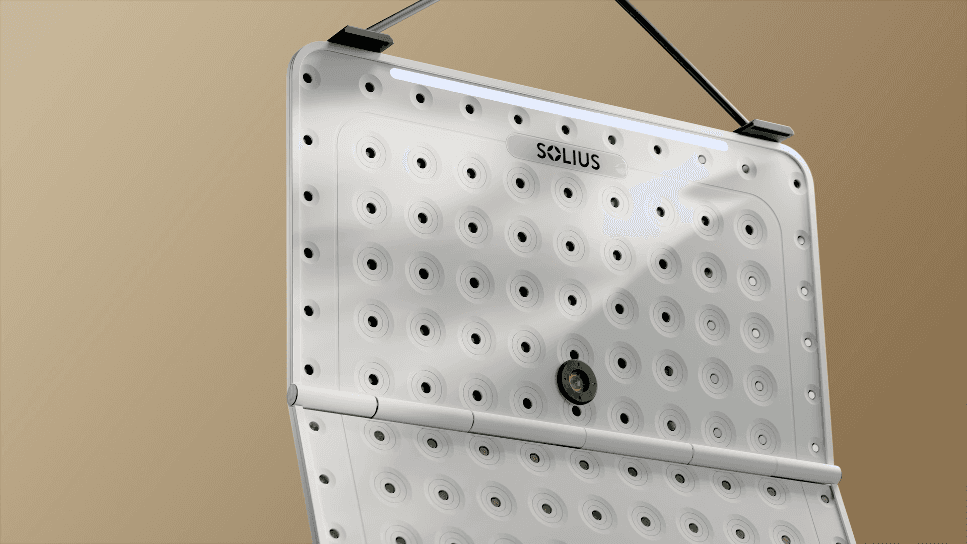
Most solar energy is visible light, infrared heat, and UVA light. UVB light represents less than 1% of sunlight that reaches Earth’s surface, yet it drives some of the body’s most important biological effects. Solius concentrates 95% of its output within the UVB action spectrum, with a targeted peak of 293 nm to deliver more UVB light benefit than the sun with less than 1% total UV risk.
To put it into perspective, a full year of weekly Solius sessions delivers approximately the same total UV radiation as about five minutes of natural sunlight.
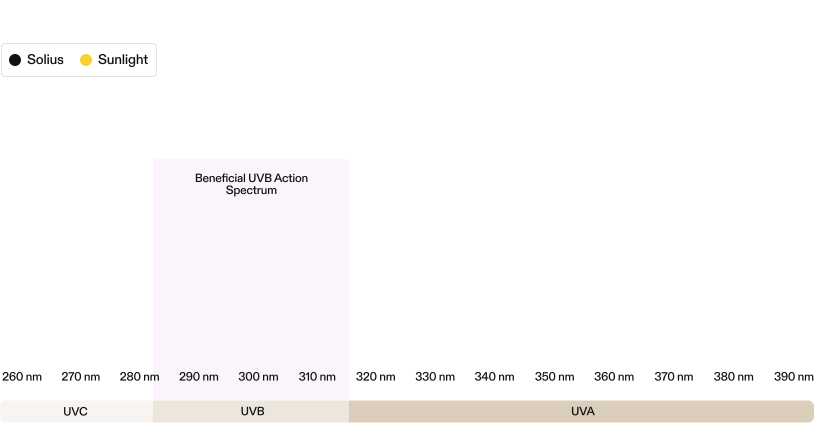
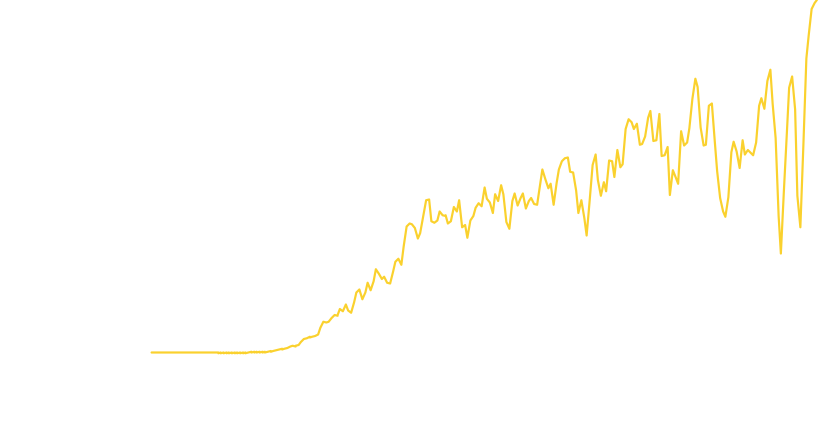
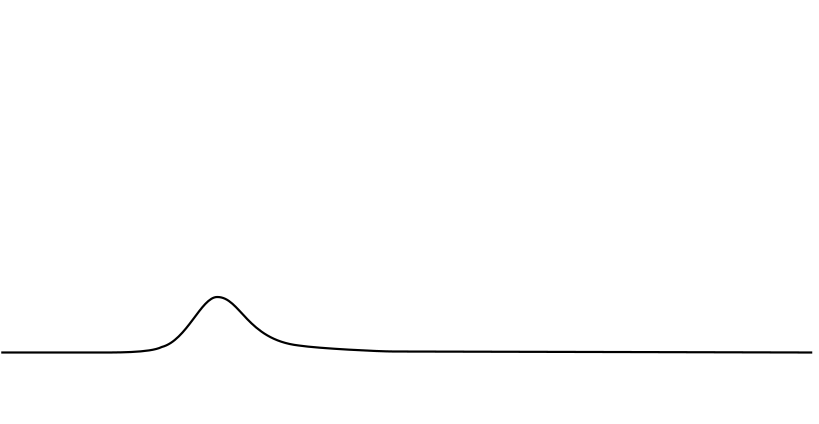
Wavelength (nm = nanometers)
Reference sunlight spectrum: ASTM G173 AM 1.5 (equivalent to UVI 9-11+)
Solius light therapy safely delivers 12x the UVB light health benefits of the sun with automatic dosing personalized for your skin tone
The safety difference with Solius
Personalized dosing
Doses are calibrated to your skin type for safe, effective results.
Less than 1% of UV risk
Solius delivers less than 1% of the UV exposure risk of natural sunlight.
The 5 minute equivalent
A full year of weekly Solius therapy adds up to the same UV exposure from five minutes of afternoon sun.
Is UVB light therapy right for you?
How breakthrough UVB light technology is designed for common challenges








Solius compared to traditional narrow UVB light therapy
UVB Action Spectrum
Traditional Narrowband UVB
Solius
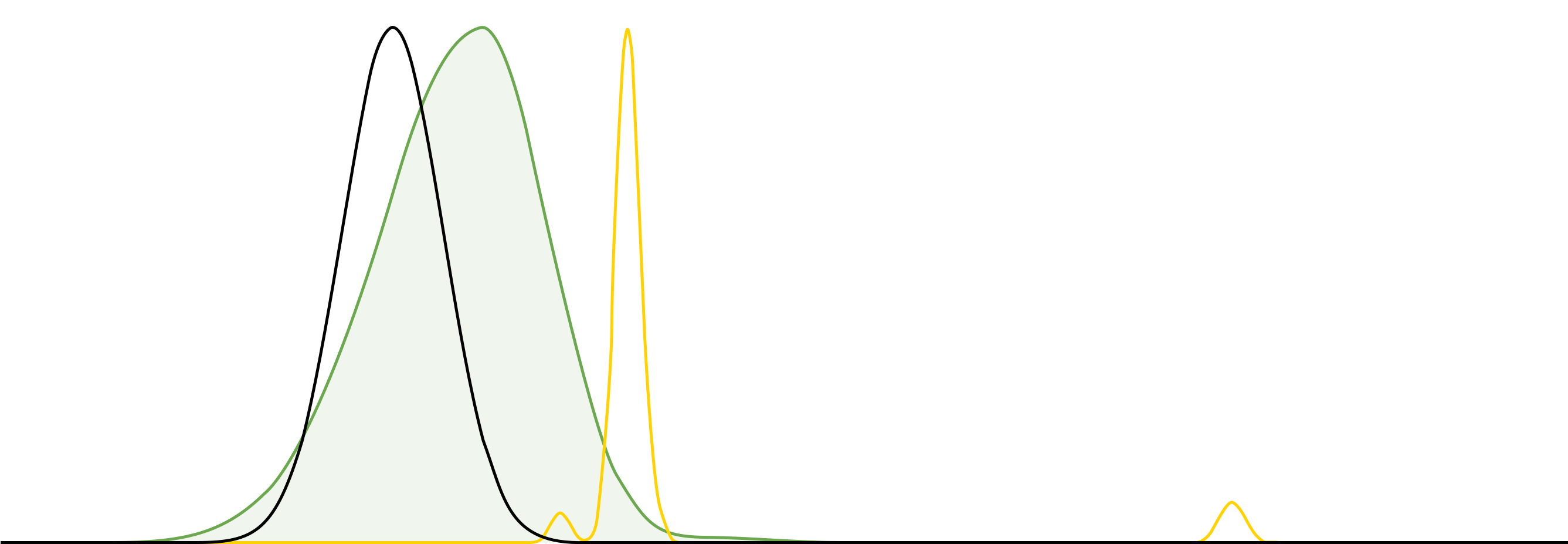
Existing UVB Light Therapy:
Provides little UVB benefit with significant carcinogenic risk from UVA
1.0
0.9
0.8
0.7
0.6
0.5
0.4
0.3
0.2
0.1
0
255
260
265
270
275
280
285
290
295
300
305
310
315
320
325
330
335
340
345
350
355
360
365
370
375
380
385
390
395
UVC
UVB
UVA
Wavelength (nm)
Frequently asked questions
Is Solius safe?
Solius delivers more UVB light benefit than natural sun with significantly less risk by delivering UVB light in a highly controlled, consistent, and measured way. While all UVB light exposure carries some risk, Solius minimizes risk by using a precise wavelength and a built-in skin sensor that personalizes every session.
In natural sunlight, only a small portion of UV radiation actually contributes to vitamin D production. The rest includes UVA wavelengths that increase the risk of skin damage and skin cancer. Solius isolates the precise UVB wavelengths responsible for vitamin D synthesis and eliminates nearly all unnecessary UV radiation.
Because of this targeted approach, Solius can deliver the same vitamin D–effective dose as peak natural sunlight in a fraction of the time. Solius sessions last approximately 5 minutes and deliver an equivalent vitamin D dose compared to more than 60 minutes of natural sun exposure on a sunny afternoon at midlatitude (ASTM G173 AM 1.5 or a UVI of 9-11+) - making Solius 12x more efficient at stimulating vitamin D per minute of exposure in optimal conditions.
This efficiency keeps total UV light exposure extremely low. To put it into perspective, a full year of weekly Solius sessions delivers approximately the same total UV radiation as about five minutes of natural sunlight, or less than one second of sun exposure per day because 95% of UV radiation from the sun is UVA which has fewer benefits and more risk. When measured across the full UV light spectrum, Solius delivers approximately 0.4% of the total UV radiation of natural sunlight - meaning less than 1% of the UV light exposure associated with skin damage risk. This significantly reduces the likelihood of burning, tanning, premature aging, or UV light-related skin damage.
How does UVB light impact health besides through vitamin D production?
Several large population studies, such as Avoidance of sun exposure as a risk factor for major causes of death and Higher ultraviolet light exposure is associated with lower mortality, have shown that greater exposure to sunlight is linked to lower mortality and longer life expectancy. Although this has often been attributed to vitamin D, supplementation studies have not consistently shown the same benefits, suggesting that vitamin D explains only part of the effect.
The resulting publication from a 2024 expert review, Beneficial health effects of ultraviolet radiation: expert review and conference report, brought together clinical and biological research to show that UVB exposure influences multiple systems in the body - including cardiovascular, immune, metabolic, and neuroendocrine pathways - through mechanisms that extend beyond vitamin D.
Mechanistic studies help explain how this works. Photo-neuro-immuno-endocrinology: How the ultraviolet radiation regulates the body, brain, and immune system describes how UVB exposure activates a broad range of hormones, neurohormones, neurotransmitters, and immune mediators - including serotonin, dopamine-related peptides, and anti-inflammatory compounds. These signals can affect mood, stress regulation, energy balance, and immune function.
Similarly, How UV Light Touches the Brain and Endocrine System Through Skin, and Why shows that UVB can initiate communication between the skin and the brain through vitamin D-independent pathways. This includes the production of signaling molecules such as beta-endorphin and other peptides that influence stress responses, behavior, and hormonal activity.
Research from the University of British Columbia demonstrates that UVB also impacts the gut. Their study The gut-skin axis: a bi-directional, microbiota-driven relationship with therapeutic potential shows that UVB can alter gut-related immune and metabolic processes, partly through interactions with the microbiome, helping regulate inflammation and barrier function.
In addition, Impact of ultraviolet radiation on cardiovascular and metabolic disorders: The role of nitric oxide and vitamin D highlights that UV exposure can increase nitric oxide levels in the body, which helps relax blood vessels, improve circulation, and potentially reduce cardiovascular risk - again, independently of vitamin D.
Overall, this body of research indicates that UVB exposure acts as a broad regulator of human physiology, influencing multiple interconnected systems beyond its role in vitamin D production.
How is Solius different from the sun?
The sun provides both helpful and harmful UV light. While natural sunlight triggers vitamin D production, it also includes UVA light that can damage skin and increase long-term health risks. Solius isolates only the precise UVB wavelengths proven to stimulate vitamin D production, without the excess UV radiation that causes burning, aging, or DNA damage.
Solius provides the UVB light benefits of the sun with less than 1% of the total UV light risk. It is controlled, consistent, and personalized for your skin type using an advanced skin sensor to ensure each dose is right for you. Sunlight is difficult to dose, varies by season and weather, and includes wavelengths that can damage the skin.
How is Solius different from the SAD lamps, red light therapy, or tanning beds?
Solius’s novel and innovative technology uses a precise spectrum of light that delivers the benefits of UVB light exposure to the skin. It is a different technology from SAD lamps, red light therapy, and tanning beds. SAD lamps and red light devices use visible light - not UVB light - and therefore do not produce vitamin D nor activate UVB-linked biological responses.
Tanning beds emit mostly UVA wavelengths (often 95% or more) associated with aging and skin damage and tanning beds stimulate negligible amounts of vitamin D. Solius uses the precise UVB wavelengths that research shows activates hormone production, stimulates favorable metabolites, and fosters a diverse microbiome, without the harmful UVA ranges found in tanning beds or natural sunlight.
How is Solius different from vitamin D supplements?
Solius activates your body's natural vitamin D production through light, unlike pills that depend on digestion and can fail for those with malabsorption challenges. Rather than relying on the liver and kidneys to process supplements, the light process takes place directly in the skin, where vitamin D is meant to be produced. Because it follows the body's natural pathway, light-based vitamin D production is self-regulating and balanced, helping your body create exactly what it needs.
Vitamin D created naturally through light exposure lasts longer in the body and supports broader biological processes tied to mood, immunity, and metabolic balance. Beyond vitamin D, UVB light, like the Solius spectrum, also helps activate other light-related biological pathways that supplements cannot reach, supporting whole-body health, vitality, and overall well-being. It’s a more complete and naturally aligned way to help your health from the inside out.
Many sunlight-associated health benefits do not appear when people simply take supplements. This suggests vitamin D levels may not be the primary mechanism, but rather a biomarker for actual UVB light exposure – it is simply the most studied hormone that we know is produced by the sun. The skin synthesizes over a dozen compounds when exposed to sunlight, an entire process skipped by supplements. This is a relatively new area of science where new learnings shape our understanding of sunlight – and how we can benefit from it – every day.
How often do I need to use Solius to start experiencing its benefits?
In a clinical study, the average user saw a 10 ng/mL increase in vitamin D levels using Solius once a week over a 15-week period. This would move the average person in the USA and Europe from "insufficient" to "sufficient" levels of vitamin D.
Although Solius was designed for once-weekly sessions that last around five minutes (depending on your skin type), it is safe for everyday use – simple, efficient, and easy to fit into your routine.