
Clinical Research
The health effects of sunlight are supported by decades of research - Solius is built on that science.
See the studies - click to filter by category
Gut health
Evidence suggests that UVB light, like the Solius spectrum, may help modulate inflammation, support a diverse microbiome, and improve communication across the gut-brain and gut-skin axis for healthier digestion and immune balance.
Potential benefits
Helps beneficial gut bacteria thrive and support microbial diversity.
Support for gut barrier integrity and nutrient absorption, foundational for digestive health.
Immune-modulating pathways that contribute to healthy cross-talk between the gut, skin, and brain.

See More
Gut health
Evidence suggests that UVB light, like the Solius spectrum, may help modulate inflammation, support a diverse microbiome, and improve communication across the gut-brain and gut-skin axis for healthier digestion and immune balance.
Potential benefits
Helps beneficial gut bacteria thrive and support microbial diversity.
Support for gut barrier integrity and nutrient absorption, foundational for digestive health.
Immune-modulating pathways that contribute to healthy cross-talk between the gut, skin, and brain.
See More
Gut health
Evidence suggests that UVB light, like the Solius spectrum, may help modulate inflammation, support a diverse microbiome, and improve communication across the gut-brain and gut-skin axis for healthier digestion and immune balance.
Potential benefits
Helps beneficial gut bacteria thrive and support microbial diversity.
Support for gut barrier integrity and nutrient absorption, foundational for digestive health.
Immune-modulating pathways that contribute to healthy cross-talk between the gut, skin, and brain.
See More

Frontiers in Microbiology
This study shows that treatment with narrowband UVB light therapy leads to changes in the gut microbiome including increases to microbiota diversity, suggesting a novel skin-gut axis for promoting gut health.
Frontiers in Microbiology
This study shows that treatment with narrowband UVB light therapy leads to changes in the gut microbiome including increases to microbiota diversity, suggesting a novel skin-gut axis for promoting gut health.
Skin Exposure to Narrow Band Ultraviolet (UVB) Light Modulates the Human Intestinal Microbiome
Frontiers in Microbiology
This study shows that treatment with narrowband UVB light therapy leads to changes in the gut microbiome including increases to microbiota diversity, suggesting a novel skin-gut axis for promoting gut health.
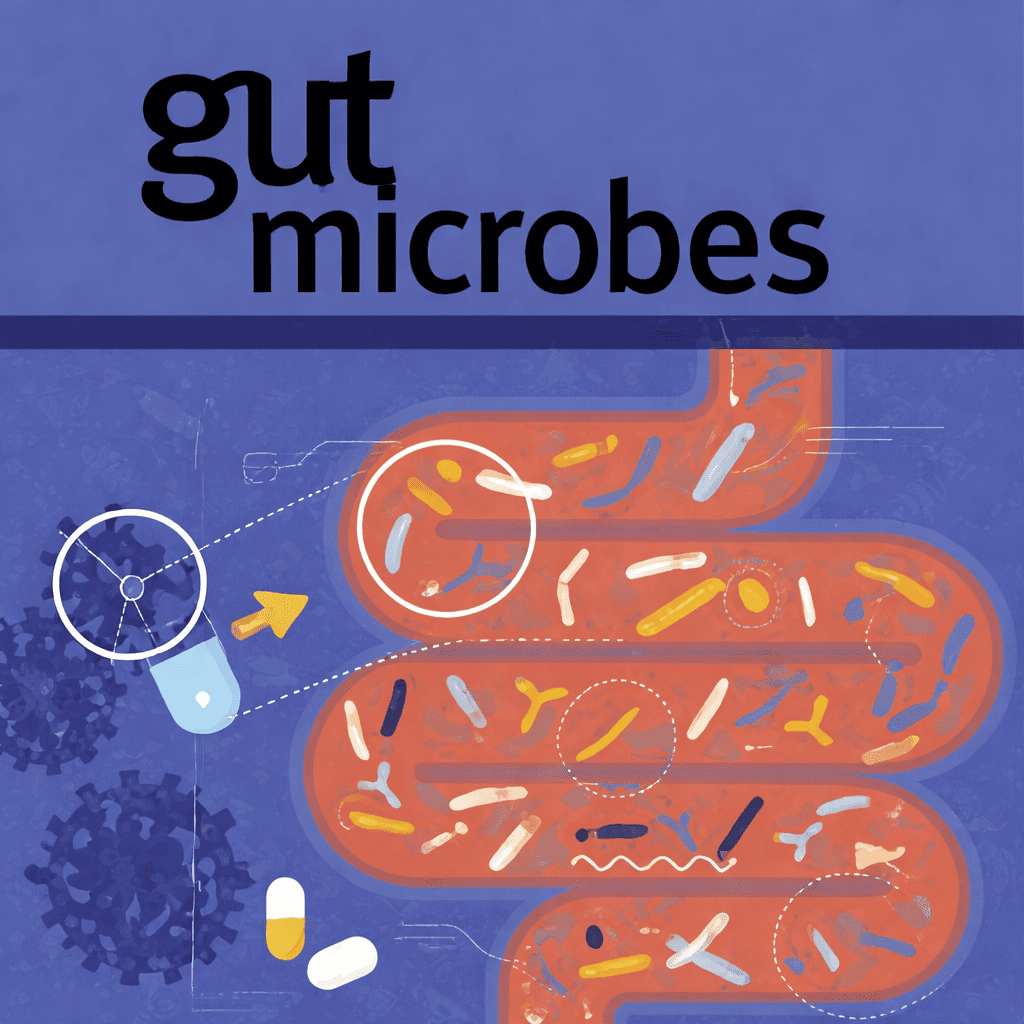
This review explores the gut-skin axis, describing the interaction that occurs between the skin and the gastrointestinal tract. Recent studies show that exposing the skin to ultraviolet B-light can beneficially modulate both the gut microbiome and intestinal health.
This review explores the gut-skin axis, describing the interaction that occurs between the skin and the gastrointestinal tract. Recent studies show that exposing the skin to ultraviolet B-light can beneficially modulate both the gut microbiome and intestinal health.
The gut-skin axis: a bi-directional, microbiota-driven relationship with therapeutic potential
Gut Microbes
This review explores the gut-skin axis, describing the interaction that occurs between the skin and the gastrointestinal tract. Recent studies show that exposing the skin to ultraviolet B-light can beneficially modulate both the gut microbiome and intestinal health.

This review article looked at 14 RCTs investigating the impact of vitamin D supplementation (dose ranging from 1680-7000 IU/day) on gut microbiota. They found that vitamin D supplementation modulates gut microbiota composition, with significant increase observed in bacterial taxa associated with anti-inflammatory and gut health-promoting properties, such as Bifidobacterium and Lactobacillus as well as increase in Bacteroides and Firmicutes ratio. Some trials also reported enhanced microbial diversity (α and β diversity).
This review article looked at 14 RCTs investigating the impact of vitamin D supplementation (dose ranging from 1680-7000 IU/day) on gut microbiota. They found that vitamin D supplementation modulates gut microbiota composition, with significant increase observed in bacterial taxa associated with anti-inflammatory and gut health-promoting properties, such as Bifidobacterium and Lactobacillus as well as increase in Bacteroides and Firmicutes ratio. Some trials also reported enhanced microbial diversity (α and β diversity).
Effect of Vitamin D Supplementation on Human Gut Microbiota: A Systematic Review of Randomized Controlled Trials
Nutrition Reviews
This review article looked at 14 RCTs investigating the impact of vitamin D supplementation (dose ranging from 1680-7000 IU/day) on gut microbiota. They found that vitamin D supplementation modulates gut microbiota composition, with significant increase observed in bacterial taxa associated with anti-inflammatory and gut health-promoting properties, such as Bifidobacterium and Lactobacillus as well as increase in Bacteroides and Firmicutes ratio. Some trials also reported enhanced microbial diversity (α and β diversity).
This study found that mice with increased availability of vitamin D display greater immune-dependent resistance to cancers. Similarly, in humans, vitamin D induced genes correlate with improved response to immune checkpoint inhibitor treatment, as well as with immunity to cancer and increased overall survival. In mice, resistance is attributable to the activity of vitamin D on intestinal epithelial cells, which alters microbiome composition in favor of Bacteroides fragilis, which positively regulates cancer immunity. These findings indicate a connection between vitamin D, microbial commensal communities, and immune responses to cancer.
This study found that mice with increased availability of vitamin D display greater immune-dependent resistance to cancers. Similarly, in humans, vitamin D induced genes correlate with improved response to immune checkpoint inhibitor treatment, as well as with immunity to cancer and increased overall survival. In mice, resistance is attributable to the activity of vitamin D on intestinal epithelial cells, which alters microbiome composition in favor of Bacteroides fragilis, which positively regulates cancer immunity. These findings indicate a connection between vitamin D, microbial commensal communities, and immune responses to cancer.

Vitamin D regulates microbiome-dependent cancer immunity
Science
This study found that mice with increased availability of vitamin D display greater immune-dependent resistance to cancers. Similarly, in humans, vitamin D induced genes correlate with improved response to immune checkpoint inhibitor treatment, as well as with immunity to cancer and increased overall survival. In mice, resistance is attributable to the activity of vitamin D on intestinal epithelial cells, which alters microbiome composition in favor of Bacteroides fragilis, which positively regulates cancer immunity. These findings indicate a connection between vitamin D, microbial commensal communities, and immune responses to cancer.
Gut
Immunity & Ageing
This review article discusses the gut microbiota and vitamin D as an emerging and vital axis influencing immune aging and age-related diseases. It highlights the dual role of gut microbiota in shaping host immunity and regulating vitamin D metabolism, alongside the significant immunomodulatory potential of vitamin D in maintaining intestinal homeostasis and barrier integrity. The findings suggest that vitamin D deficiency and gut dysbiosis accelerate immunosenescence and inflammageing, contributing to unhealthy aging and increased risk of age-related diseases.
Gut
Immunity & Ageing
This review article discusses the gut microbiota and vitamin D as an emerging and vital axis influencing immune aging and age-related diseases. It highlights the dual role of gut microbiota in shaping host immunity and regulating vitamin D metabolism, alongside the significant immunomodulatory potential of vitamin D in maintaining intestinal homeostasis and barrier integrity. The findings suggest that vitamin D deficiency and gut dysbiosis accelerate immunosenescence and inflammageing, contributing to unhealthy aging and increased risk of age-related diseases.
Gut
Gut
This study that used data from the Nurses’ Health Study found that in this population of US women, increasing latitude of residence was associated with a higher incidence of Crohn’s disease (CD) and ulcerative colitis (UC). The authors discuss that a leading explanation for this ‘north–south’ gradient in the risk of UC and CD may be differences in exposure to sunlight or UVB radiation, which is generally greater in southern latitudes.
Gut
Gut
This study that used data from the Nurses’ Health Study found that in this population of US women, increasing latitude of residence was associated with a higher incidence of Crohn’s disease (CD) and ulcerative colitis (UC). The authors discuss that a leading explanation for this ‘north–south’ gradient in the risk of UC and CD may be differences in exposure to sunlight or UVB radiation, which is generally greater in southern latitudes.
Gut
Photodermatology, Photoimmunology & Photomedicine
This case study in cystic fibrosis and short bowel syndrome patients showed that UV light therapy can increase vitamin D levels in patients who have medical conditions that prevent them from absorbing vitamin D from oral supplements.
Gut
Photodermatology, Photoimmunology & Photomedicine
This case study in cystic fibrosis and short bowel syndrome patients showed that UV light therapy can increase vitamin D levels in patients who have medical conditions that prevent them from absorbing vitamin D from oral supplements.
Gut
Nutrients
This narrative review summarizes the different strands of data linking vitamin D and inflammatory bowel disease (IBD), whilst also outlining the possible beneficial effects of vitamin D supplementation in managing IBD in humans. Low serum levels of the major circulating form of vitamin D, 25-hydroxyvitamin D (25-OH-D) are significantly more prevalent in patients with IBD, particularly in the winter and spring months when UV-induced synthesis of vitamin D is lower. Dietary malabsorption of vitamin D may also contribute to low serum 25(OH)D in IBD.
Gut
Nutrients
This narrative review summarizes the different strands of data linking vitamin D and inflammatory bowel disease (IBD), whilst also outlining the possible beneficial effects of vitamin D supplementation in managing IBD in humans. Low serum levels of the major circulating form of vitamin D, 25-hydroxyvitamin D (25-OH-D) are significantly more prevalent in patients with IBD, particularly in the winter and spring months when UV-induced synthesis of vitamin D is lower. Dietary malabsorption of vitamin D may also contribute to low serum 25(OH)D in IBD.
Gut
Healthcare
This study of obese and normal weight women found that vitamin D levels were significantly associated with alpha and beta diversities of the gut microbiota and that serum vitamin D levels were positively associated with bacteria known to regulate immunological responses. These findings suggest that vitamin D may play a role in regulating the gut microbiota composition by inhibiting the growth of pathogenic bacteria while nourishing the beneficial strains.
Gut
Healthcare
This study of obese and normal weight women found that vitamin D levels were significantly associated with alpha and beta diversities of the gut microbiota and that serum vitamin D levels were positively associated with bacteria known to regulate immunological responses. These findings suggest that vitamin D may play a role in regulating the gut microbiota composition by inhibiting the growth of pathogenic bacteria while nourishing the beneficial strains.
Gut
Therapeutic Advances in Gastroenterology
Vitamin D’s anti-inflammatory and immune-modulating effects have led to possible implications in the pathophysiology of immune-mediated diseases including inflammatory bowel disease (IBD). In addition, vitamin D insufficiency has been linked to higher rates of cancers including colon, prostate and breast cancers. Given these diverse associations of vitamin D and disease states, this review explores the association between vitamin D and gastrointestinal diseases, in particular IBD and colorectal cancer.
Gut
Therapeutic Advances in Gastroenterology
Vitamin D’s anti-inflammatory and immune-modulating effects have led to possible implications in the pathophysiology of immune-mediated diseases including inflammatory bowel disease (IBD). In addition, vitamin D insufficiency has been linked to higher rates of cancers including colon, prostate and breast cancers. Given these diverse associations of vitamin D and disease states, this review explores the association between vitamin D and gastrointestinal diseases, in particular IBD and colorectal cancer.
Gut
Photochemical & Photobiological Sciences
This paper reviews how UV light and vitamin D impact inflammatory bowel disease. The authors conclude that the data suggests that UVR suppression of T cells and potentially IBD are both vitamin D dependent and independent.
Gut
Photochemical & Photobiological Sciences
This paper reviews how UV light and vitamin D impact inflammatory bowel disease. The authors conclude that the data suggests that UVR suppression of T cells and potentially IBD are both vitamin D dependent and independent.